Mangrove Restoration: Coastal Resilience in Sri Lanka
Experience Sri Lanka’s coastline by restoring mangroves and learning community-led conservation practices.
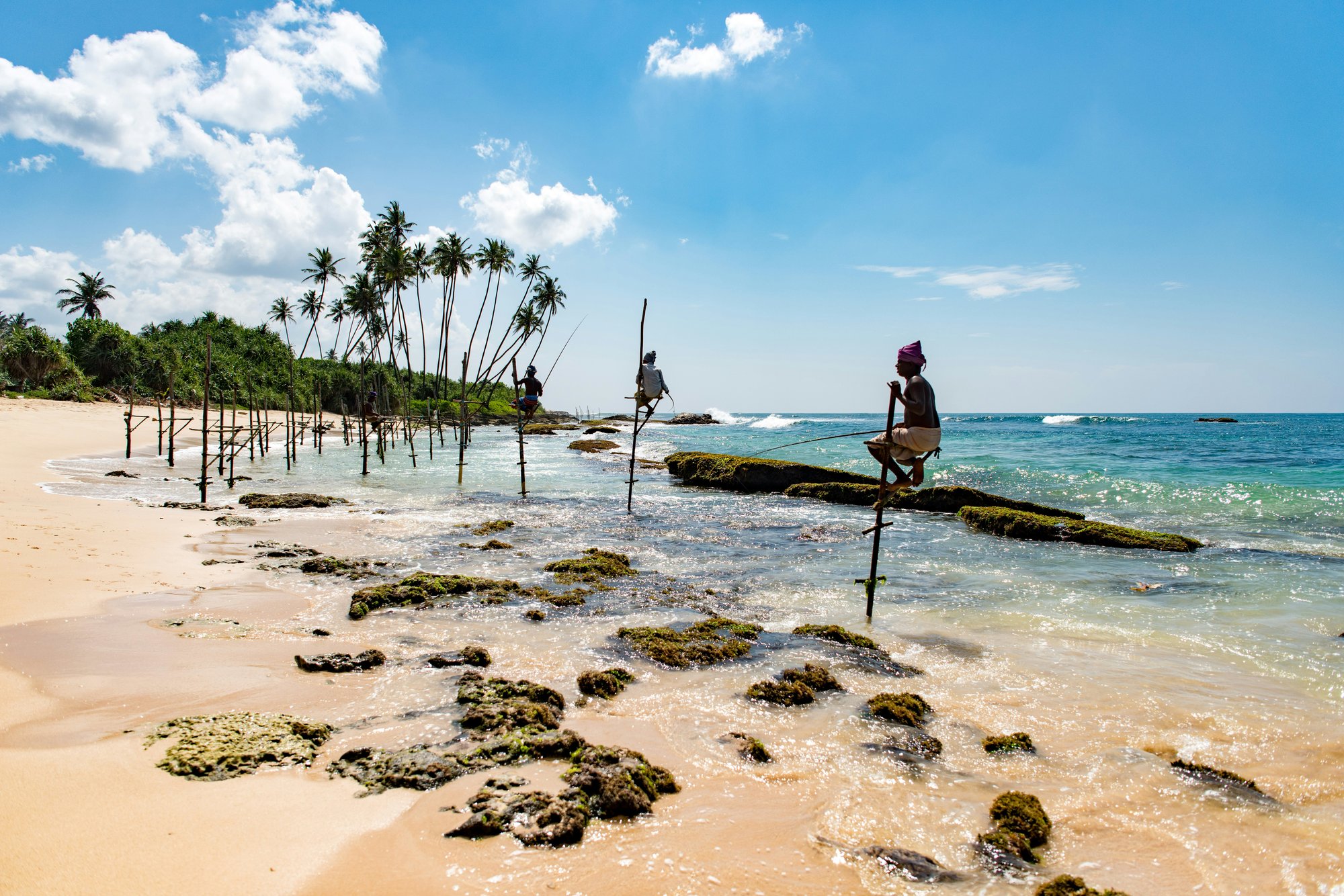
Experience Sri Lanka’s coastal landscapes through a Community-Led Study Tour focused on mangrove restoration and coastal resilience. From the calm waters of Negombo Lagoon to the palm-fringed shores of the southern coast, you explore ecosystems that sustain biodiversity, protect communities from storms, and support cultural traditions shaped by the sea. Along the way, you gain insight into the environmental challenges facing Sri Lanka’s fragile coastal habitats and the importance of protecting natural systems that communities rely on every day.
Working alongside local communities and conservation partners, you participate in restoration projects, explore sustainable fishing practices, and learn how traditional knowledge supports modern environmental stewardship. Through collaboration with grassroots organisations, you see how resilience is built not only within ecosystems but also within the lives of people who depend on them. These shared experiences connect ecological science with cultural understanding and leave you with practical skills and global perspectives that strengthen your role in sustainable development.
Sustainable Development Goals
We are proud to shape our work around both the United Nations Sustainable Development Goals and B Corporation standards, combining principles of sustainable and ethical business practices.
SDG 4: Quality Education
Your collaboration with Sri Lankan communities demonstrates how experiential education strengthens environmental understanding and cultural awareness. By exchanging knowledge with local partners, you connect academic learning with real-world sustainability practices and community empowerment.
SDG 8: Decent Work and Economic Growth
Mangrove restoration projects in Sri Lanka support sustainable employment through eco-tourism, responsible aquaculture, and environmental stewardship initiatives. Through visits and discussions with local partners, you explore how conservation efforts can create dignified and resilient economic opportunities.
SDG 11: Sustainable Cities and Communities
Many coastal communities in Sri Lanka depend on mangrove ecosystems to protect homes, livelihoods, and infrastructure from environmental hazards. By working with local groups, you learn how grassroots conservation initiatives contribute to building resilient and sustainable coastal communities.
SDG 13: Climate Action
In Sri Lanka, mangrove restoration contributes directly to climate action by strengthening natural protection against storms and coastal erosion. During this study tour, you explore how community-led conservation projects build resilience in coastal environments while addressing the long-term challenges of a changing climate.
SDG 14: Life Below Water
Mangrove forests are essential nurseries for marine species and play a critical role in sustaining Sri Lanka’s coastal fisheries. Through field activities and community engagement, you examine how mangrove restoration supports marine biodiversity and strengthens the health of coastal ecosystems.
SDG 15: Life on Land
Mangrove ecosystems provide habitat for birds, insects, and wildlife that rely on Sri Lanka’s coastal wetlands. By participating in restoration activities and guided environmental learning, you discover how protecting biodiversity strengthens ecological balance and community wellbeing.

Signature Learning Experiences
Highlight
Hands-on Mangrove Restoration
Participate in practical conservation work as you plant mangrove seedlings and learn shoreline restoration techniques alongside local community members.
Highlight
Visit a Coastal Conservation Organisation
Engage with a Sri Lankan NGO leading community-based marine and mangrove conservation projects and learn how grassroots initiatives shape environmental policy and practice.
Highlight
Explore the Historic Galle Fort
Walk through the UNESCO World Heritage site of Galle Fort where historic ramparts, sea views, and vibrant streets reveal Sri Lanka’s layered cultural history.
Explore the Itinerary
Day 1
Colombo
Arrive in Colombo and settle into your accommodation while taking time to adjust to the energy of Sri Lanka’s capital city. Join an orientation session introducing safety, logistics, and the study tour theme of mangrove restoration and coastal resilience. Meet fellow participants and learn about the communities and ecosystems you will engage with throughout the program. In the evening, enjoy a welcome dinner featuring Sri Lankan cuisine that introduces the flavours and hospitality of the island.
Day 2
Colombo
Begin with an interactive cultural briefing that introduces Sinhala and Tamil greetings, everyday phrases, and local cultural expectations. Practise simple language through role-play activities and a neighbourhood walk that builds confidence for community engagement. In the afternoon, explore a bustling market where aromas, colours, and conversations reveal daily life in Colombo. Conclude the day with a discussion linking cultural awareness to respectful collaboration in conservation work.
Day 3
Colombo → Negombo
Travel north to Negombo, a coastal town where mangroves shelter fisheries and protect lagoon ecosystems. Meet a local cooperative to learn how healthy mangrove habitats support food security and reduce coastal vulnerability. Participate in guided academic and field-based activities aligned with the program theme while mapping shoreline features and discussing restoration priorities. End the day with a shared discussion about community expectations and the goals for the coming week.
Day 4
Negombo
Begin with a lagoon-side walk that reveals both thriving mangrove stands and areas where restoration is needed. Participate in guided academic and field-based activities aligned with the program theme, focusing on seed collection, planting techniques, and monitoring practices. Community members share insights about seasonal environmental changes and traditional knowledge of coastal ecosystems. Conclude with a group conversation connecting the day’s fieldwork to sustainable coastal management in Sri Lanka.
Day 5
Negombo
Start the morning with a boat excursion through the lagoon to observe tidal channels and mangrove habitats that support marine biodiversity. Continue with guided academic and field-based activities aligned with the program theme to document observations and discuss restoration strategies. In the afternoon, visit a waterside shrine to explore the cultural relationship between coastal communities and their environment. Reflect together on how cultural values influence environmental stewardship.
Day 6
Negombo → Kalpitiya Peninsula
Travel north to the Kalpitiya Peninsula where lagoons, sandbanks, and mangrove habitats shape a dynamic coastal landscape. Meet local volunteers coordinating community shoreline clean-ups and conservation initiatives. Participate in guided academic and field-based activities aligned with the program theme while identifying restoration areas and preparing equipment for fieldwork. Close the day by discussing how youth engagement supports environmental resilience in Sri Lanka.
Day 7
Kalpitiya
Begin with a practical workshop introducing techniques for mangrove propagation and shoreline restoration. Continue with guided academic and field-based activities aligned with the program theme as you assist with planting and monitoring young mangrove stands. In the afternoon, meet local fishers who explain how sustainable fishing practices support both livelihoods and ecosystem health. End the day with a discussion linking biodiversity protection and community wellbeing.
Day 8
Kalpitiya
Explore coastal neighbourhoods to understand how environmental change affects daily life in low-lying communities. Participate in guided academic and field-based activities aligned with the program theme that reinforce natural shoreline buffers and stabilise vulnerable areas. Join a community dialogue exploring shared responsibility for protecting coastal ecosystems. Conclude with reflections on how inclusive participation strengthens environmental resilience.
Day 9
Kalpitiya → Balapitiya (Madu Ganga)
Travel south to Balapitiya to explore the Madu Ganga estuary, a complex wetland of mangrove islands and waterways. Meet conservation staff working to protect biodiversity while supporting responsible tourism in the region. Participate in guided academic and field-based activities aligned with the program theme to observe restoration sites and ecological conditions. End the day beside the river while discussing the importance of wetland conservation in Sri Lanka.
Day 10
Madu Ganga
Begin with a field session reviewing previously restored mangrove areas and identifying sites requiring further regeneration. Continue with guided academic and field-based activities aligned with the program theme to document habitat conditions and discuss conservation priorities. Support an environmental education activity with local students that encourages curiosity about coastal ecosystems. Close the day by reflecting on how community education strengthens long-term environmental stewardship.
Day 11
Balapitiya → Galle
Travel to the historic coastal city of Galle and settle into accommodation near the UNESCO-listed fort district. Participate in guided academic and field-based activities aligned with the program theme to explore how urban coastal management intersects with heritage preservation. Walk along the fort ramparts while observing shoreline protection structures and ocean views. End the day with a discussion linking heritage conservation and coastal resilience.
Day 12
Galle
Visit a coastal conservation organisation to learn how long-term monitoring supports mangrove restoration and community partnerships. Participate in guided academic and field-based activities aligned with the program theme while discussing research methods and volunteer engagement. In the afternoon, explore Galle Fort where colonial architecture, local crafts, and sea breezes create a distinctive atmosphere. Reflect on how heritage tourism can support sustainable livelihoods.
Day 13
Galle
Join a Sri Lankan cooking workshop where local ingredients and traditional techniques reveal the connection between food, culture, and coastal livelihoods. Work together on guided academic and field-based activities aligned with the program theme to consolidate learning and prepare insights for community partners. Visit a local artisan workshop to see how traditional crafts contribute to sustainable economic activity. Conclude the day by discussing how the skills gained during the program can support future sustainability work.
Day 14
Galle → Colombo
Return to Colombo for a final program session that reflects on the impact of mangrove restoration and community collaboration. Share appreciation with local partners and review key insights gained throughout the study tour. Celebrate the journey during a farewell dinner that highlights Sri Lankan hospitality and shared achievements. Depart with new perspectives on coastal resilience, environmental stewardship, and global sustainability.
Skills That Travel With You
This study tour is designed to help you grow as a globally aware, future-focused thinker. Through immersive visits, interdisciplinary learning, and exposure to smart systems, you will develop the tools to navigate innovation, sustainability, and urban transformation in a global context.
Apply Coastal Ecosystem Restoration Techniques
Apply practical environmental skills by participating in mangrove planting, shoreline monitoring, and conservation fieldwork. These experiences help translate ecological theory into hands-on restoration practice within Sri Lanka’s coastal environments.
Evaluate Community Climate Adaptation Strategies
Evaluate how mangrove ecosystems protect Sri Lanka’s coastal communities from storms, flooding, and rising sea levels. Through field observations and community discussions, you develop deeper insight into locally driven climate resilience strategies.
Analyse Sustainable Coastal Livelihood Models
Analyse how conservation initiatives support sustainable economic opportunities such as eco-tourism, fisheries management, and community aquaculture. These insights expand your understanding of how environmental protection and economic resilience are interconnected.
Develop Cross-Cultural Collaboration Skills
Develop intercultural communication and teamwork skills through collaboration with Sri Lankan community members and conservation practitioners. These experiences strengthen your ability to work respectfully and effectively in diverse cultural environments.
Integrate Ecological and Cultural Knowledge
Integrate scientific understanding of coastal ecosystems with traditional knowledge shared by local communities. This synthesis deepens your appreciation for diverse approaches to environmental stewardship.
Reflect on Personal Sustainability Leadership
Reflect on how your field experiences in Sri Lanka connect to broader global sustainability challenges. This process strengthens your capacity to contribute thoughtfully to environmental leadership and responsible global citizenship.